


Introduction
Here’s what most people get wrong: a flannel shirt isn’t a plaid shirt. A flannel shirt is any shirt made from flannel, a soft woven fabric that’s brushed to feel warm and fuzzy. Plaid is just a pattern that shows up on a lot of them. The two get used like they mean the same thing, but they don’t.
Once that clicks, flannel makes more sense. It’s warm without being heavy, comfy from the first wear, and goes over almost anything, which is why it has lasted for centuries.
What Is a Flannel Shirt
A flannel shirt is a soft, woven shirt made from brushed fabric, usually cotton or wool. What makes it flannel is the finish, not the fiber. After weaving, it’s brushed with fine metal bristles, a process called napping that raises tiny fibers on the surface. That fuzzy layer traps warmth and gives flannel its soft feel.
What Makes a Flannel Shirt Different from Other Shirts
It comes down to that brushing step. A plain cotton shirt is left smooth, so it stays light and crisp. Flannel brushes that weave, which raises the nap and traps body heat. The weight shows it too: flannel runs about 180 to 225 grams per square meter, against 120 to 180 for plain cotton.
Flannel vs Plaid: What’s the Difference
Keep it simple. Flannel is a fabric. Plaid is a pattern. A flannel shirt can be solid, striped, or checked, and a plaid shirt can be cotton, polyester, or flannel. So why the mix-up? Blame the ’90s. Grunge bands like Nirvana and Pearl Jam made thrifted plaid flannel their uniform, and the two got fused in everyone’s head. Knowing the difference helps you shop: “flannel” is the fabric, “plaid” is the pattern.
Types of Flannel Shirts
A few types cover most of what you’ll see:
- Cotton flannel: The most common. Soft, breathable, easy to care for.
- Wool flannel: Warmer and heavier, used for suits and winter trousers.
- Synthetic or blended: Cheaper and wrinkle-resistant, but less breathable.
- Flannelette: A lighter, cotton-only version that wears out faster.
Nap matters too: single-napped is brushed on one side and lighter, double-napped on both sides and warmer.
Why Are Flannel Shirts So Popular
Flannel is comfortable, warm, and works with almost anything. It also has real history: it started in 17th-century Wales, where weavers made it from wool for cold, damp weather. What began as practical workwear gradually became a fashion staple, especially during the ’90s grunge era, and today it sits between rugged and stylish.
How to Style a Flannel Shirt
Flannel takes almost no effort to style. Wear it buttoned on its own, or open over a T-shirt for an easy layer. You don’t need deep winter for it either. Cool evenings, a hill-station trip, monsoon layering, or an over-air-conditioned campus are all reasons to reach for one. Roll the sleeves when it’s mild, or tie it around your waist. Either way, flannel leans casual, so keep it relaxed.
Flannel Shirt Outfit Ideas for Men
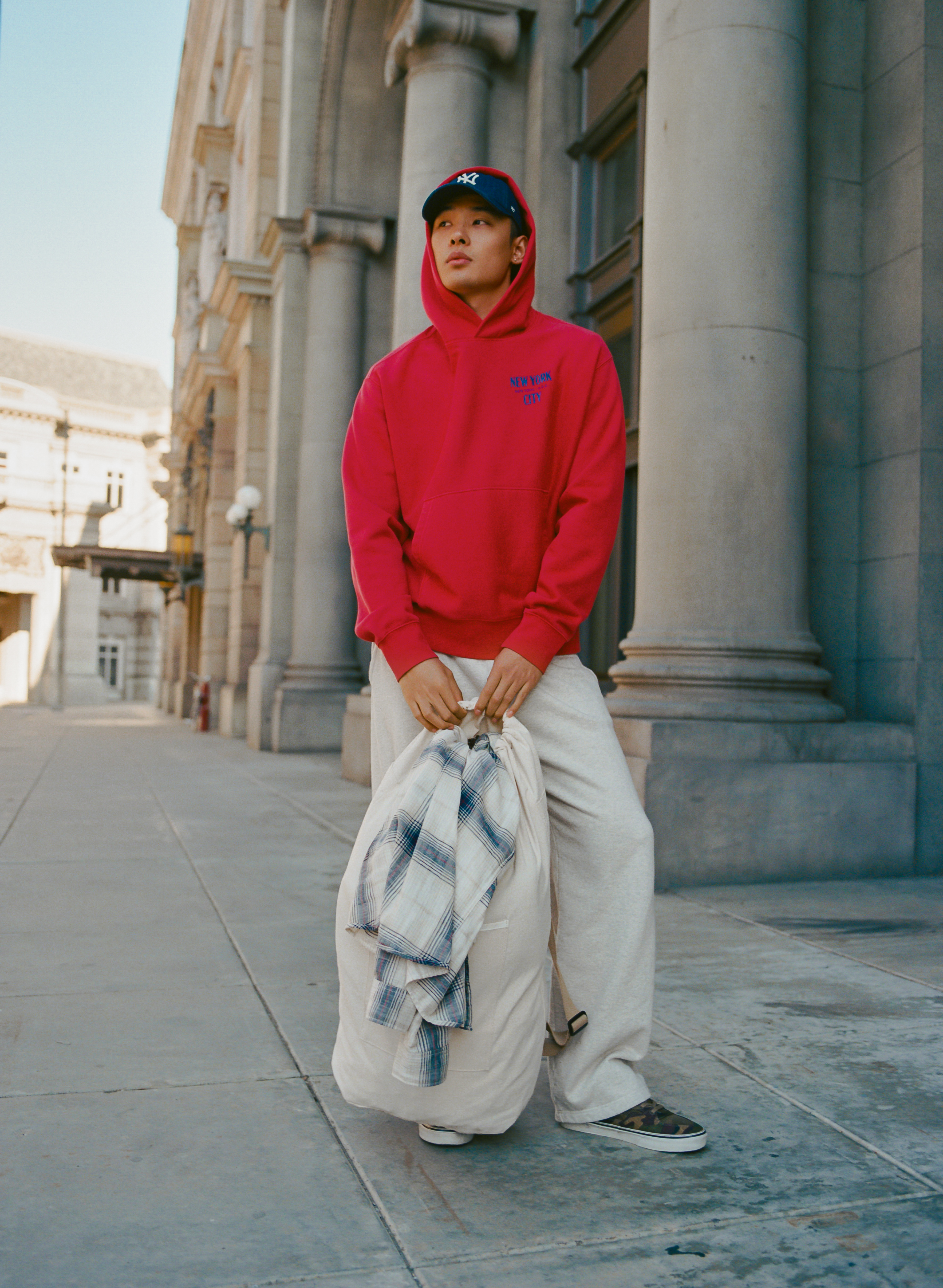
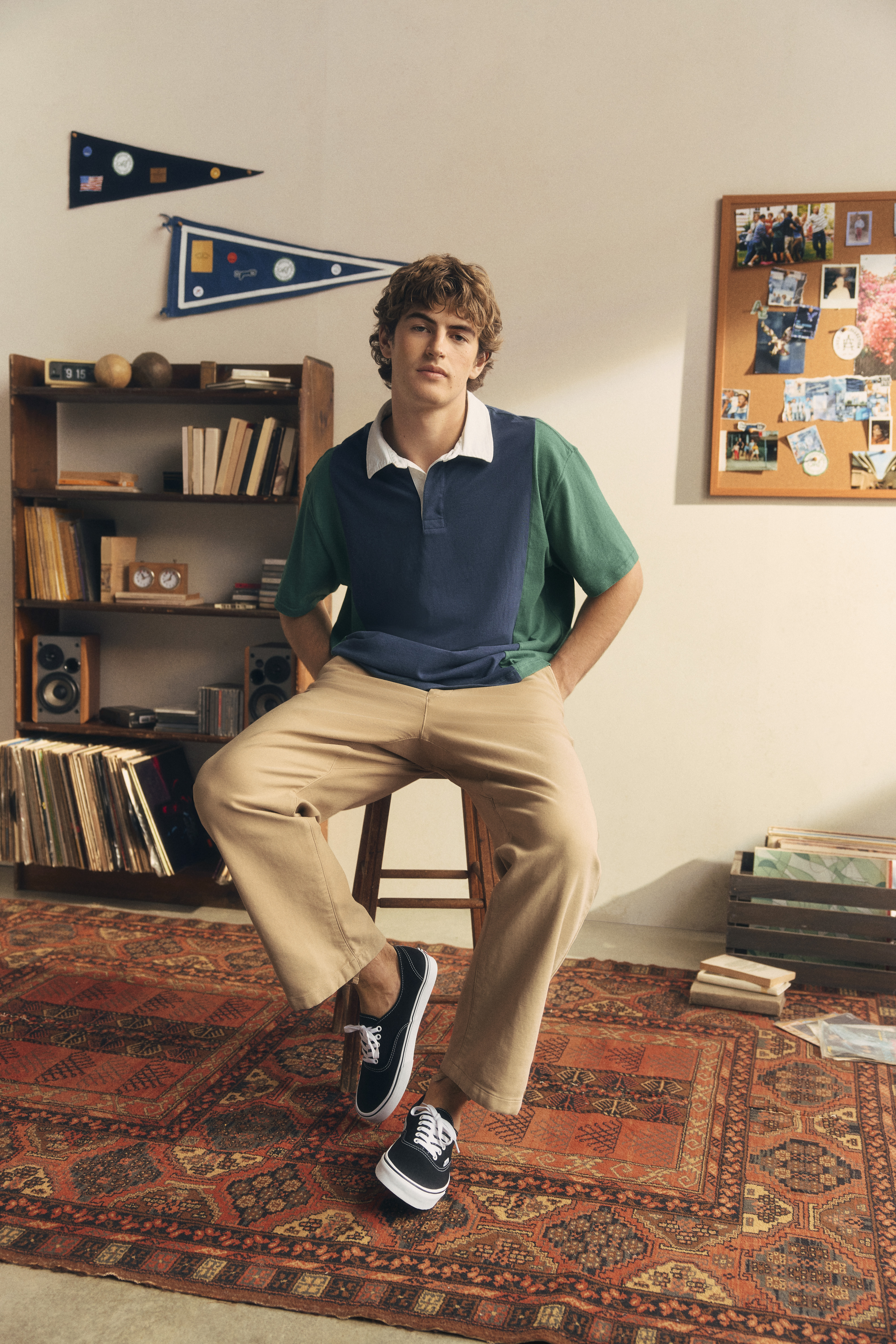
For an easy campus look, wear an oversized flannel open over a plain tee with wide-leg jeans or cargos, sleeves rolled. Sneakers keep it casual; boots dress it up a little. Want it cleaner? Swap in chinos and button it up. Under a denim or field jacket, it layers well when it’s cold.
Flannel Shirt Outfit Ideas for Women
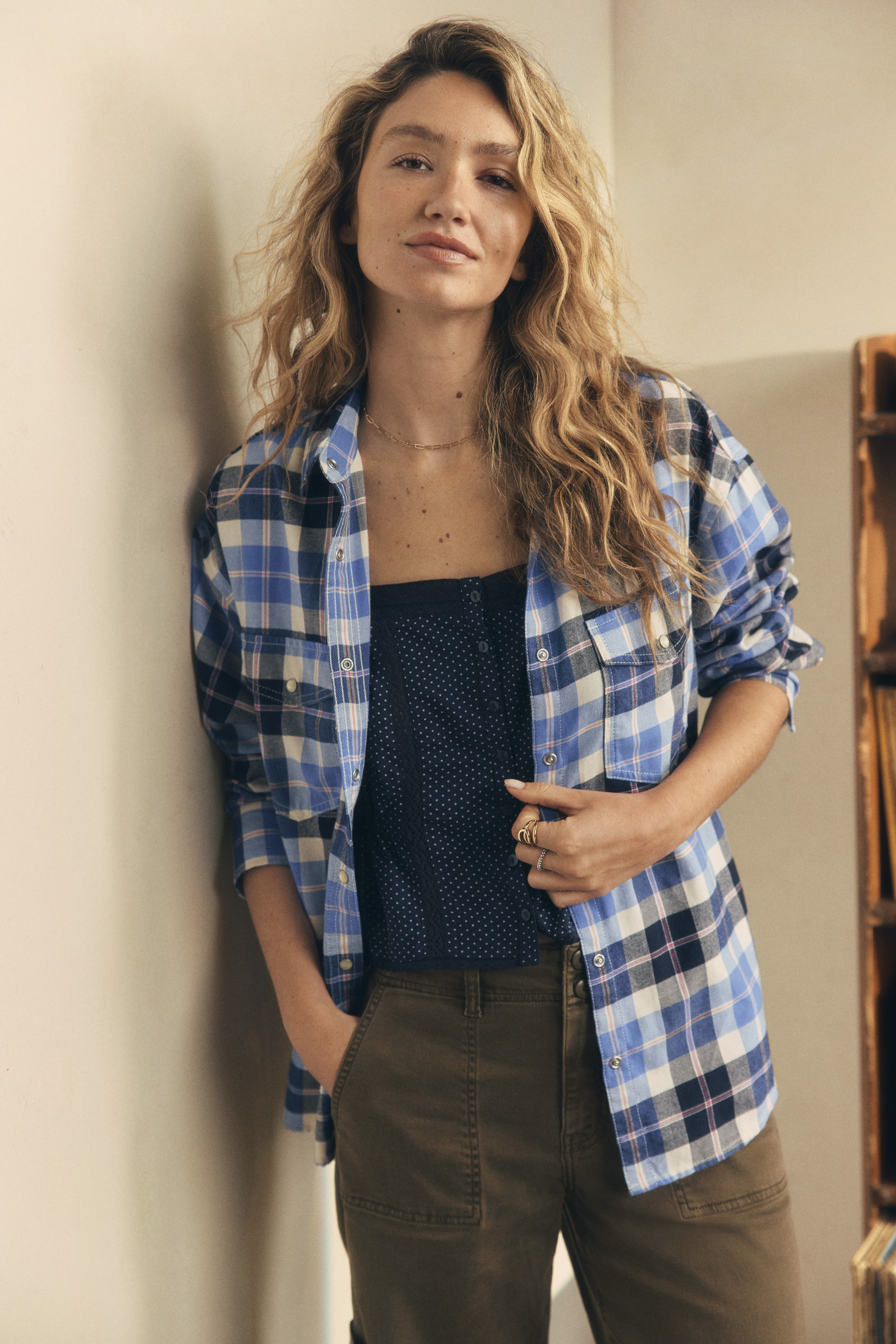
Flannel for women throw an oversized one open over a tee with wide-leg or baggy jeans, or knot it at the front for a different shape. It also layers over a dress, or with shorts when the weather is in between. Keep it loose and comfy, and let it feel like you.
What to Wear with a Flannel Shirt
Whatever you pair it with, keep the rest simple. Since flannel has texture and often a pattern, plain jeans, chinos, and a basic tee let the shirt stand out instead of competing with it.
How to Choose the Right Flannel Shirt
Start with the fiber: 100% cotton is soft and pills far less than a cheap synthetic blend. Check the weight, since heavier flannel feels warmer and lasts, while a light one thins out fast. Then match your climate: lighter single-napped flannel for milder weather, double-napped for real cold.
Common Mistakes to Avoid
A few easy mistakes cut a flannel’s life short:
- Hot water: Heat shrinks flannel and mats the nap. Cotton can shrink 3 to 5% on the first wash if it isn’t pre-shrunk, so wash cold on a gentle cycle.
- Fabric softener: It coats the fibers and undoes the softness napping created.
- Buying flannelette by mistake: A price that seems too low often means thinner flannelette.
- Treating plaid as flannel: Check the fabric, not just the pattern.
Conclusion
So, what is a flannel shirt? It’s a brushed, woven shirt built for warmth and comfort, and whether it’s plaid has nothing to do with it. Once you know what makes a true flannel, choosing one gets easy, and it becomes a staple you’ll reach for season after season. Find one that feels right, wear it your way, and live your life in it.
FAQ’s
What is a flannel shirt?
A soft, woven shirt made from brushed fabric, usually cotton or wool. The brushing traps warmth, and it can be solid, striped, or checked.
Is flannel 100% cotton?
Not always. Cotton is most common, but flannel can also be wool or synthetic. Pure cotton pills the least.
Why do guys like flannel shirts?
They’re comfortable, warm, and easy to style with jeans or chinos, dressed up or down.
Are flannel shirts formal or casual?
Casual. You can dress one up with chinos and a buttoned front, but flannel is happiest in relaxed outfits.
Which pants go best with a flannel shirt?
Jeans are the classic match; chinos work when you want it cleaner.
Can you wear a flannel shirt open?
Yes. Leave it open over a T-shirt, roll the sleeves, and you’re set. It also works in milder weather.
Does flannel shrink after washing?
It can. Cotton flannel may shrink 3 to 5% on the first wash, especially in hot water. Wash cold and tumble low.
Can flannel shirts be worn to work?
In casual settings, yes, especially buttoned up with chinos. For formal offices, it’s usually too casual.