


Introduction
Here’s something most people don’t know: the polo shirt didn’t start in America, or even with tennis. It started on the polo fields of Manipur, in Northeast India, in the 19th century. British soldiers there took to the local players’ collared cotton shirts and pinned the collars down so they wouldn’t flap in the wind. That small fix is why your polo has a collar and a placket today.
Fast forward to now, and “polo” isn’t one shirt but several, a family of collared knit shirts that look alike on the rack but feel very different. That range is why polos work everywhere. Once you know the main types of polo t-shirts, picking the right one gets easier.
What Is a Polo T-Shirt
A polo t-shirt is a short-sleeved knit shirt with a collar, a two or three-button placket, and a back hem slightly longer than the front. That longer back, the “tennis tail,” is made to stay tucked while you move. It sits between a plain tee and a dress shirt: smarter than one, more relaxed than the other.
The modern version comes from French tennis champion René Lacoste, who first wore his short-sleeved piqué cotton shirt at the 1926 U.S. Open. It replaced the stiff, long-sleeved shirts players wore then, and caught on far beyond the court.
Different Types of Polo T-Shirts
Most polos fall into four everyday types. They share the same collar-and-placket look, but the knit and feel set them apart.
- Piqué Polo T-Shirts
Piqué is the classic most people picture as a polo. It’s a textured, honeycomb knit with tiny raised squares that give it a structured feel. A good cotton piqué runs about 200 to 220 grams per square meter and breathes well. It holds its shape wash after wash.
- Sweater Polo T-Shirts
A sweater polo is knitted heavier, often long-sleeved, so it reads dressier and warmer. It’s the one for cooler evenings and layering under a lightweight jacket, when you want to look a step up without a full shirt.
- Jersey Polo T-Shirts
A jersey polo uses a flat, smooth knit, the same construction as a t-shirt, which is exactly how it feels. Softer and lighter than piqué, it drapes rather than holding a rigid shape. That gives it a casual, fashion-forward look.
- Active Polo T-Shirts
Active polos are built for movement. They use moisture-wicking stretch blends that keep you cool and dry on the go or in the heat. For sport, travel, or a warm day, this is the one.
Polo T-Shirt Types by Occasion
Matching the type to the moment keeps it simple. Jersey suits campus days, coffee runs, and weekend outings. Piqué looks neat when you want to dress up a little, like a dinner out. A sweater polo handles cooler evenings, and active polos are made for travel, festivals, or a hot day.
How to Choose the Right Polo T-Shirt
Start with fabric: cotton for most days, blends for durability, performance for movement. Then fit, where a lot of the look lives. Slim reads cleanest, regular is the easy everyday pick, relaxed leans streetwear, and oversized is the trend-led choice. Last, weather: in India’s heat, breathable piqué, light jersey, or a cotton blend beats anything heavy.
How to Style Different Types of Polo T-Shirts
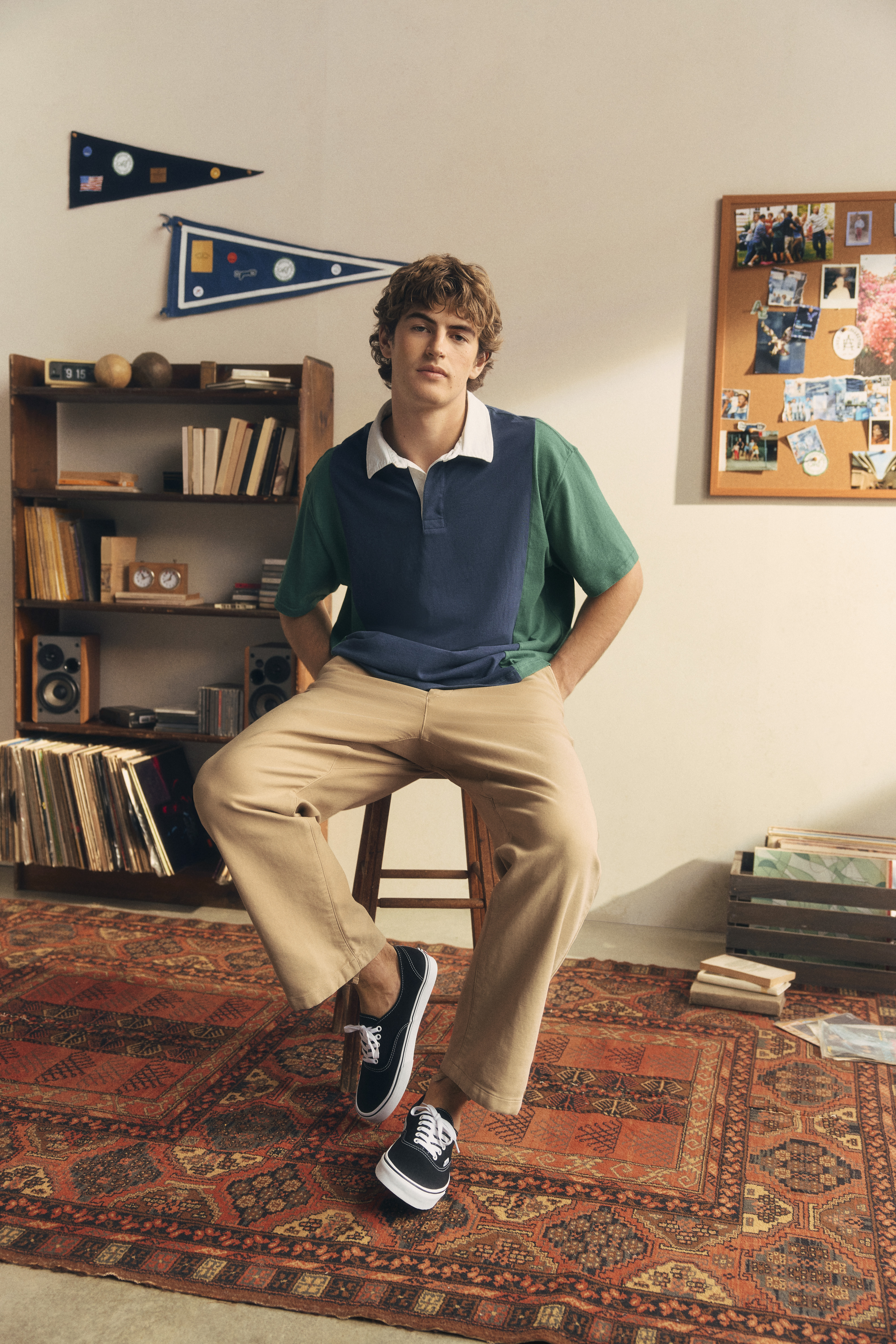
Today’s polo isn’t just preppy. It’s worn oversized with baggy or carpenter jeans, cargos, and relaxed shorts, or layered under a lightweight jacket or overshirt. That makes it one of the easiest vintage-inspired pieces to style. For a cleaner look, tuck a slimmer polo into chinos or trousers. For a relaxed one, leave it untucked over jeans with the hem at your hip. Sneakers keep it casual; loafers dress it up.
Why Polo T-Shirts Remain a Wardrobe Essential
The polo has lasted a century because it looks polished without trying too hard. The collar and placket give you structure a t-shirt can’t, while still feeling relaxed. It works with almost any bottoms, layers easily, and carries from day to night. Few t-shirts you can own are this versatile.
Conclusion
So there isn’t one polo, but four, and that’s exactly why one is rarely enough. Jersey covers everyday, piqué steps it up for dinners, active handles travel and heat, and a sweater polo carries you through cooler months. Between them, you’re set for almost anything. Find the types that fit your life, wear them your way, and live your life in them.
FAQ’s
What is meant by polo t-shirts?
A polo t-shirt is a collared knit shirt with a two or three-button placket, short sleeves, and a slightly longer back hem. Sitting between a casual t-shirt and a formal dress shirt, it’s endlessly versatile.
What is the difference between piqué and jersey polo shirts?
Piqué uses a textured, honeycomb knit that holds its shape and looks dressier. Jersey uses a flat, smooth knit like a t-shirt, so it’s softer, lighter, and more casual. Piqué is the classic; jersey is the comfy pick.
Are polo T-shirts formal or casual?
They sit in between, which is their appeal. A piqué or sweater polo reads smart-casual, while a jersey or active polo leans fully casual. It’s all about the fabric and pairing.
Are oversized polo T-shirts in fashion?
Yes. The oversized, relaxed fit is a current trend and popular way to wear a polo now. Balance the loose top with slimmer bottoms to keep it intentional.
Which trousers go best with polo T-shirts?
Chinos are the easiest smart-casual match, while tailored trousers dress it up and tailored shorts suit warmer days. Tuck the polo in to keep it clean.
What should you wear with a polo T-shirt?
Jeans, chinos, or tailored shorts all work, with sneakers for casual or loafers for smarter. Keep everything else simple and match the fabric to the occasion.
Can you wear a polo shirt with jeans?
Absolutely, polo and jeans is a timeless casual look. Go dark or straight-leg for a sharper finish, and leave the polo untucked with the hem at your hip.